
Products List
- Product
- Qty in Cart
- Quantity
- Price
- Subtotal
-


1-½ Inch LR Series Threaded Conduit Body
WM-LR-150CG$15.74MSRP: $17.78Optimize your electrical projects with the 1-½ inch Threaded Conduit Body, SKU WM-LR-150CG. Designed for wet environments, this top-quality conduit body includes a cover and gasket, making it a... -


1-¼ Inch LR Series Threaded Conduit Body
WM-LR-125CG$15.74MSRP: $17.78Upgrade your electrical setup with our robust 1-¼ inch Threaded Conduit Body. Designed for both wet and dry locations, this indispensable electrical fitting comes complete with a cover and gasket to... -

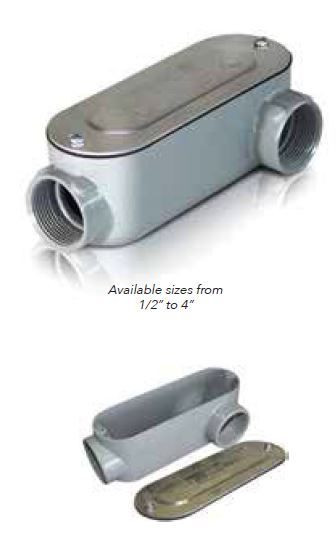
1-Inch Threaded Conduit Body
WM-LL-100CG$8.45MSRP: $9.37Optimize your electrical projects with our top-grade 1-inch threaded conduit body, complete with a cover and gasket. This durable conduit body, ideal for wet locations, offers unmatched protection... -


1-¼ Inch Threaded Conduit Body
WM-LL-125CG$13.35MSRP: $14.85Discover the ultimate solution for your electrical installation needs with the 1-¼ inch threaded conduit body, complete with both cover and gasket. Designed specifically for wet locations, this... -


2-½ Inch LB Series Threaded Conduit Body
WM-LB-250CG$54.15MSRP: $60.78Premium 2-½ Inch Threaded Conduit Body - SKU: WM-LB-250CGMaximize the efficiency of your electrical installations with this high-quality 2-½ inch threaded conduit body. Built to endure challenging... -


I-¼ Inch LB Series Threaded Conduit Body
WM-LB-125CG$15.74MSRP: $17.78Upgrade your electrical projects with the 1-¼ inch Threaded Conduit Body, expertly designed for superior performance in wet locations. This high-quality conduit body includes a cover and gasket,... -


1-½ Inch C Series Threaded Conduit Body
WM-C-150CG$14.15MSRP: $15.72Durable 1-1/2 Inch Threaded Conduit Body for Electrical ProjectsThis superior 1-1/2 inch threaded conduit body is perfect for any rigorous electrical project. It includes a robust cover and gasket,... -

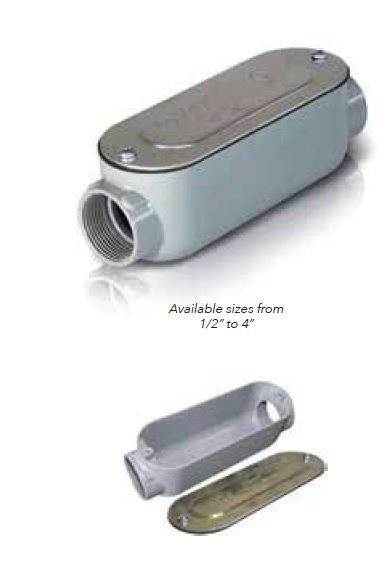
1-¼ Inch C Series Threaded Conduit Body
WM-C-125CG$11.30MSRP: $12.55Introducing the 1-¼ inch Threaded Conduit Body (SKU: WM-C-125CG), a sturdy and reliable component perfect for wet location installations. Constructed with high-grade die-cast aluminum and enhanced by... -

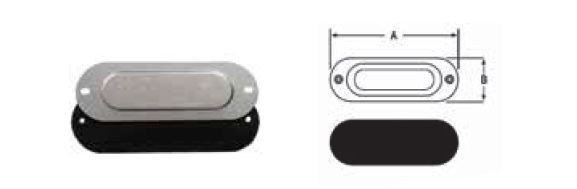
1-Inch Cover and Gasket for Threaded Conduit Body
WM-CG-100$2.70MSRP: $3.021-inch cover and gasket for threaded conduit body. Used to protect and secure electrical wiring connections in outdoor and indoor environments. The cover and gasket provide a weather-tight seal for... -


1-¼ Inch Cover and Gasket for Threaded Conduit Body
WM-CG-125/150$4.55MSRP: $5.071-¼ inches cover and gasket for threaded conduit body. Used to protect and secure electrical wiring connections in outdoor and indoor environments. The cover and gasket provide a weather-tight seal... -


2-Inch Cover and Gasket for Threaded Conduit Body
WM-CG-250/300$12.40MSRP: $13.802 inches cover and gasket for threaded conduit body. Used to protect and secure electrical wiring connections in outdoor and indoor environments. The cover and gasket provide a weather-tight seal for... -

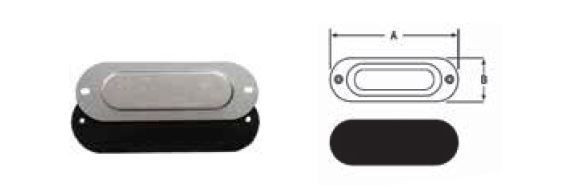
2-½ Inch Cover and Gasket for Threaded Conduit Body
WM-CG-350/400$21.30MSRP: $23.782-½ inches cover and gasket for threaded conduit body. Used to protect and secure electrical wiring connections in outdoor and indoor environments. The cover and gasket provide a weather-tight seal...