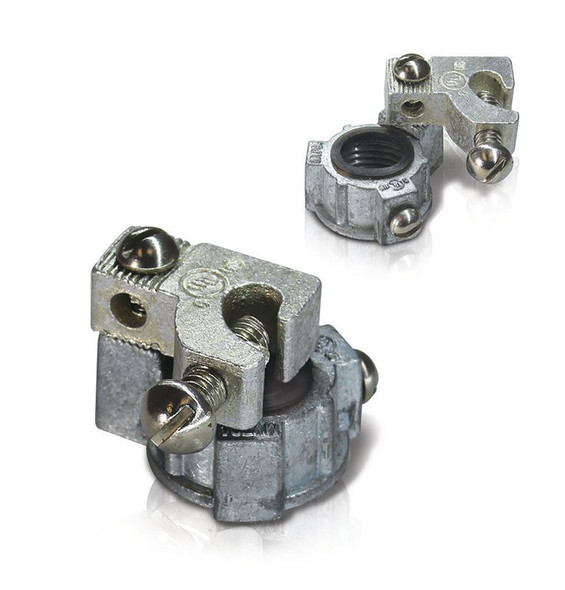
Ground Clamps

Ground clamps matched to the electrode they land on: driven rods, water pipe, rebar, and enclosures, with direct burial listed options and free shipping on every order. The guidance below the products covers NEC Article 250 rules inspectors check and the material pairings that corrode underground.

Products List

Sort By:

Display Type:
Filters
  • Product
  • Qty in Cart
  • Quantity
  • Price
  • Subtotal
  • Total: items /

Adding your products to cart

Ground Clamp Selection Guide

Ground Clamps Matched to the Electrode, Not Just the Wire

A grounding connection fails at the clamp, not the conductor, so pick the clamp by what it lands on: a driven rod, a water pipe, rebar in a footing, or an enclosure. Catalog grids leave that mapping to you; this page does it on the page, covers the NEC Article 250 rules inspectors actually check, and flags the metal pairings that corrode underground. Contractors get commercial volume pricing, live stock status on every product page, and free shipping on every order.

Ground Rod Clamps: The Workhorse of the Category

The acorn style ground rod clamp is the standard connection for driven rods, sized for 1/2, 5/8, and 3/4 inch rods with a bolt that seats the grounding electrode conductor into the acorn shaped body. Bronze bodied acorn clamps listed for direct burial are the default spec, because most rod connections end up below grade or in a flush well. Two rules keep the inspection clean: use a clamp listed for the rod diameter and conductor size actually installed, and land one conductor per clamp unless the clamp is specifically listed for more.

Bronze, Zinc, or Stainless: Material Compatibility Underground

Dissimilar metals in damp soil form a battery, and the clamp is the part that dissolves. Bronze and copper alloy clamps pair with copper conductors and copper clad rods, which is why they dominate grounding work. Zinc and galvanized steel clamps belong on galvanized rods and steel structures. Avoid landing bare copper directly on galvanized steel; the galvanic pair corrodes the zinc coating first and the connection second. For coastal soils, pool bonding grids, and corrosive environments, stainless steel hardware earns its premium. When in doubt, match the clamp body to the conductor metal and check the clamp's listed conductor materials on the product page.

The NEC 250 Rules Inspectors Check

  • Grounding connections must be made with listed means; ordinary hardware store fasteners and solder do not qualify (NEC 250.70, 250.8).
  • Buried or concrete encased connections must use clamps listed for direct burial or concrete encasement, marked accordingly.
  • One conductor per clamp unless the clamp is listed for multiple conductors.
  • Connections must stay accessible unless the method is listed for burial or encasement (NEC 250.68).
  • Size the grounding electrode conductor per NEC 250.66; the portion running to a rod electrode is not required to be larger than 6 AWG copper.

Finish the Rough In From One Cart

Grounding hardware rarely ships alone. Pick up Conduit Fittings and Electrical Boxes in the same order, add Wire Connectors for terminations, and pull conductor from Bulk Wire. The rest of the rough in lives in Electrical Boxes and Fittings. Questions on a listing or a conductor pairing? Ask through the QuickShipLights support portal before the inspector asks first.

Pipe Clamps, Rebar Clamps, and Lay In Lugs

Connection PointClamp TypeTypical RangeNotes
Driven ground rodAcorn ground rod clamp1/2 to 3/4 inch rodChoose direct burial listed models for below grade connections
Metal water pipePipe ground clamp1/2 to 4 inch pipeBond within the first 5 feet of where the pipe enters the building
Concrete encased rebarRebar clampCommon rebar sizesFor concrete encased electrode connections made before the pour
Enclosures, strut, racewayLay in lug or beam clampPer lug conductor rangeLay in design lands a continuous conductor without cutting it

The concrete encased electrode, common in new construction, uses at least 20 feet of rebar or bare copper in the footing; the rebar clamp makes that connection accessible to the grounding electrode conductor before concrete goes in. Water pipe bonding and rod connections dominate service upgrades and retrofit work.

Frequently Asked Questions About Ground Clamps

Match the clamp to the rod diameter, most commonly 5/8 inch for residential and light commercial rods, with 1/2 and 3/4 inch also standard. Many acorn clamps are listed for a small range of rod sizes and a range of conductor sizes; both the rod and the conductor you are landing must fall within the listing printed on the clamp or its packaging.

Only if it is listed for direct burial, typically marked DB or direct burial on the clamp and packaging. Rod connections that end up below grade or inside a flush ground rod well need that listing; a standard clamp in the same spot is a code violation and a corrosion failure waiting to happen. Concrete encased connections likewise need a clamp listed for encasement.

One, unless the clamp is specifically listed for multiple conductors. Doubling two wires under a single screw clamp not listed for it is one of the most commonly written up grounding defects. Where several bonding conductors converge, use a clamp or connector listed for the count and sizes involved, or land each conductor on its own listed clamp.

Match the clamp to the metals it touches. Bronze and copper alloy clamps pair with copper conductors and copper clad rods, which covers most grounding electrode work. Zinc and galvanized clamps belong on galvanized rods and steel members. Putting bare copper directly on galvanized steel sets up galvanic corrosion in damp conditions, and stainless is the upgrade for coastal or corrosive soil.

A rebar clamp, used for concrete encased electrode connections in new construction. The clamp attaches to the footing rebar before the pour and brings the grounding electrode conductor to it with a listed, encasement rated connection. The electrode itself must include at least 20 feet of rebar or bare copper in the concrete, so coordinate the clamp location with the footing schedule.

Yes in practice. The NEC requires grounding and bonding connections to be made with listed means, and inspectors look for the listing mark and the printed ratings, conductor range, rod or pipe size, and direct burial marking where applicable. Unlisted hardware, sheet metal screws, and solder connections do not qualify, regardless of how mechanically solid they look.

The grounding electrode conductor is sized from NEC 250.66 based on the service conductors, but the portion running solely to a rod electrode is not required to be larger than 6 AWG copper. That is why 6 AWG bare copper is the standard rod connection on most services. Confirm the clamp you order lists 6 AWG, or the actual conductor installed, within its range.