
Products List
- Product
- Qty in Cart
- Quantity
- Price
- Subtotal
-


LED Super Slim Exit Sign with Emergency Battery Backup
WM-XTSL$21.30MSRP: $23.78Premium XTSL Series Exit & Emergency Lighting Ensuring safety and peace of mind, the XTSL Series Exit & Emergency Lighting is engineered to provide bright and reliable illumination during crises... -


XT Series 3.46 Watt Exit Sign Wet Location
WM-XT-WP$95.55MSRP: $106.78Experience unparalleled safety with the XT Series Wet Location Exit Sign. Consuming a minimal 3.46 watts, this efficient device boasts a unique 1001K color temperature, guaranteeing visibility even... -


Red Letters LED Exit Sign, Single/Double Faceplate Emergency Battery Backup
WM-XT-RW-EM$27.00MSRP: $30.78Westgate Universal Mount LED Exit Sign - Red Letters The Westgate Universal Mount LED Exit Sign with Red Letters is your go-to solution for emergency exit marking in various settings. Its versatile... -


Thin Double Face Diecast LED Exit Sign
WM-XD-TH-2$129.85 - $155.55MSRP: $144.78 - $172.78Stay safe and compliant with our Thin Single Face Diecast LED Exit Sign. This exit sign features bright red or green letters and runs on a dual 120-277V system, ensuring it fits various environments... -


Edgelit Double Face LED Exit Sign
WM-XE-2$187.00 - $209.85MSRP: $207.78 - $233.78The WM-XE-2 Edgelit LED Exit Sign is here to provide robust and reliable emergency lighting in any setting. Its mirror faceplate offers a stylish look while maintaining an efficient power usage of... -


XTR Series Recessed Edgelit Exit Sign 4.5W or 4.8W - Mirror Faceplate
WM-XTR-2$302.70 - $357.00MSRP: $336.78 - $396.78Efficient XTR Series Recessed Edgelit Exit Sign Ensure clear and reliable exit indication with the XTR series recessed edgelit exit sign. This product features a chic mirror faceplate and is... -


XT Series Double Face Exit Sign Wet Location
WM-XT-WP-2$322.70 - $338.45MSRP: $358.78 - $376.78Introducing the XT Series Double Face Exit Sign, perfectly engineered for use in wet locations. This ultra-bright, energy-efficient exit sign with long-life LEDs in red or green is ideal for ensuring... -

XTU Series Super Slim LED Exit Sign with Emergency Backup, Red/Green Lens
WM-XTU-RG-EM$32.74MSRP: $36.78Westgate XTU Series Super Slim LED Exit Sign for Superior Emergency Lighting Ensure maximum safety with the Westgate Manufacturing XTU Series Super Slim LED Exit Sign, a top choice for emergency... -


NEMA 4X LED Exit Sign Single Face
WM-XTN4X-1-EM$438.45 - $677.00MSRP: $487.78 - $752.78Ensure safety and compliance with the NEMA 4X LED Exit Sign Double Faceplate, an ideal choice for various environments. This emergency exit sign uses 3.2 watts for red or 3.8 watts for green letters... -

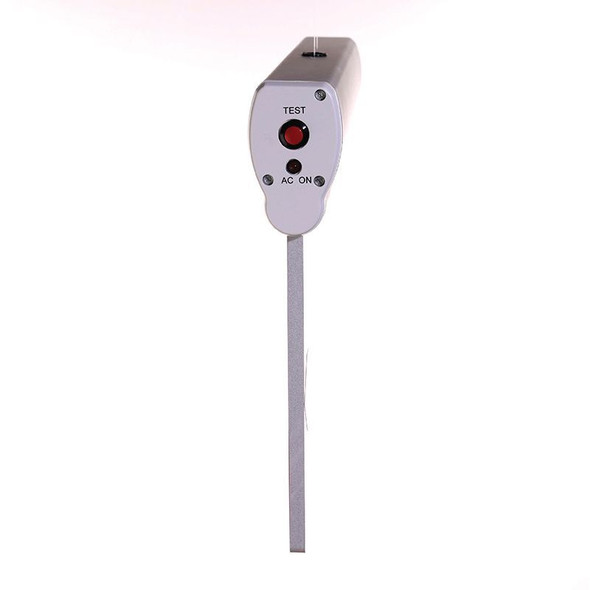
Edge-Lit Exit Sign, Plastic Housing, Single Face, Red Letters, Clear Panel, Emergency Battery Backup, White Housing
WM-XT-EL1RCA-EM-WH$55.55MSRP: $61.78Modern Edge-Lit Exit Sign for Safety Introducing the Edge-Lit Exit Sign, SKU: WM-XT-EL1RCA-EM-WH – your ultimate solution for effective and reliable exit signage. Designed for various... -


3.2 Watt Single Face NEMA 4X LED Exit Sign
WM-XTN4X-1$355.55 - $548.45MSRP: $395.78 - $609.78Upgrade your safety standards with the reliable and highly visible Single Face NEMA 4X LED Exit Sign. Perfect for areas where moisture or harsh conditions are a concern, this exit sign operates at a... -


XTR Series Recessed Edgelit Exit Sign 4.5W or 4.8W, Clear Faceplate
WM-XTR-1$309.85MSRP: $344.78Ensure safety and compliance with the XTR Series Recessed Edgelit Exit Sign. This ultra-bright, energy-efficient exit sign, available in red or green letters, features a clear faceplate and consumes...