
Products List
- Product
- Qty in Cart
- Quantity
- Price
- Subtotal
-

Junction Box for 2x4 LPS T-Bar Installation
WM-LPS-JBOX$8.45MSRP: $9.37Introduction Discover the efficiency and reliability of the Junction Box for 2x4 LPS T-Bar Installation, specially crafted to provide secure electrical connections for 2x4 LPS fixtures. This... -

9-Outlet Electrical Junction Box - 1/2" Size
WM-W2B50-9$18.74MSRP: $20.78Unveiling the W2B50-9 Junction Box Discover the W2B50-9, an essential addition to your electrical toolkit. Designed for a 1/2" trade size, this junction box is engineered to accommodate nine outlet... -


1/2-Inch One-Gang Rectangular Covers
WM-WRE1$2.70MSRP: $3.02Efficient 1/2-Inch Single Outlet Electrical Box (WRE-1) The 1/2-Inch Single Outlet Electrical Box (WRE-1) is a vital addition to our array of electrical fittings. Designed for single outlet... -


Deep Vertical Duplex One-Gang Device Cover
WM-W1C-DV$5.55MSRP: $6.19W1C-DV Deep Vertical Duplex One-Gang Cover: Ultimate Protection for Your Outlets Discover the W1C-DV, a finely crafted deep vertical duplex one-gang device cover that brings both durability and... -

GFCI, Horizontal – Bronze
WM-W1C-GH-BRZ$8.45MSRP: $9.37Horizontal GFCI Outlet by Westgate Manufacturing - Bronze Finish Upgrade your safety measures with the Westgate Manufacturing W1C-GH-BRZ - a horizontal GFCI outlet designed to offer advanced... -

GFCI, Vertical, Bronze
WM-W1C-GV-BRZ$7.00MSRP: $7.78Vertical GFCI Outlet by Westgate Manufacturing Elevate your electrical safety standards with the Westgate Manufacturing W1C-GV-BRZ vertical GFCI outlet, featuring an attractive bronze finish. This... -


1/2 Inch NPT Hub Brass Base
WM-B-41-PARENT$15.74 - $17.00MSRP: $17.78 - $18.78½-Inch hub brass base, antique bronze or aged nickel finish. -


86 X 86 mm PVC Junction Box for Wall-Mount Controller
WM-ULR-T86-JB$7.00MSRP: $7.78Optimize Your Wall-Mount Controller Setup with the ULR-T86-JB PVC Junction Box The ULR-T86-JB PVC junction box is the perfect solution for organizing and protecting your wall-mounted controllers... -

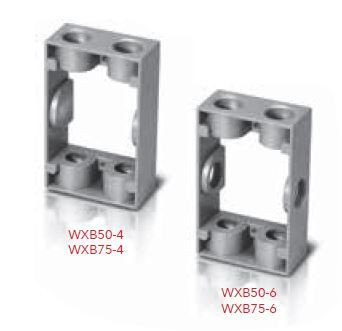
3/4 Inch Six-Outlet Electrical Box Extender
WM-WXB75-6$14.15MSRP: $15.72Upgrade Your Electrical Systems with the WXB75 Series Electrical Box ExtenderThe WXB75 series 3/4 Inch Six-Outlet Electrical Box Extender is engineered to meet modern electrical demands. Perfect for... -

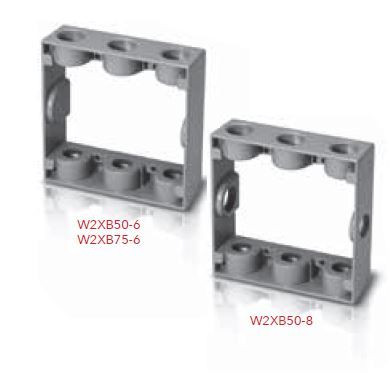
3/4-Inch Trade Size, 6 Outlet Holes
WM-W2XB75-6$27.00MSRP: $30.78Reliable and Flexible 3/4-Inch Conduit Fitting with 6 Outlet Holes Engineered for diverse electrical installations, this 3/4-inch trade size conduit fitting offers dependable connectivity and... -

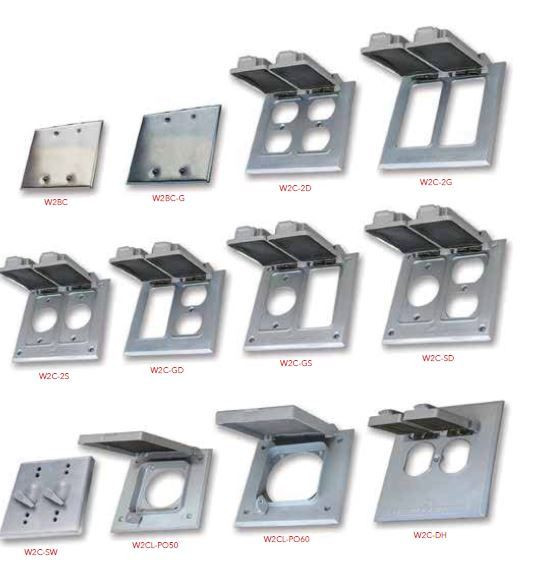
Westgate Manufacturing 1 GFCI & 1 Duplex Receptacle
WM-W2C-GD$18.74MSRP: $20.78Discover the Superior Utility of the W2C-GD Electrical ReceptacleIntroducing the innovative W2C-GD by Westgate Manufacturing. This state-of-the-art device combines a Ground Fault Circuit Interrupter... -

Versatile One-Gang Deep Blank Device Cover
WM-W1BC$1.25MSRP: $1.40W1BC One-Gang Deep Blank Device Cover - A Perfect Blend of Functionality and Style The W1BC One-Gang Deep Blank Device Cover is designed to provide both utility and aesthetic appeal for your...