
Products List
- Product
- Qty in Cart
- Quantity
- Price
- Subtotal
-


Standard Track Head Sel. 10/15/20W 5CCT C90 36D
WM-TRS-10-20W-MCTP-36D$74.15MSRP: $82.78Versatile Track Head Light with Customizable Settings Upgrade your commercial lighting with our state-of-the-art Track Head Light, designed for exceptional versatility and performance. This track... -


Die Cast Track Head 12W, 1080 lumens, 27K/30K/35K/40K/50K selectable CCT, Black
WM-TRD-12W-MCT5-36D-BK$52.70MSRP: $58.78Westgate Manufacturing's 12W Die Cast Track Head - Adaptable and Efficient Lighting Solution Introducing the 12W Die Cast Track Head by Westgate Manufacturing, a state-of-the-art track lighting... -


Die Cast Track Head 30W, 2700 lumens, 27K/30K/35K/40K/50K selectable CCT, Black
WM-TRD-30W-MCT5-36D-BK$91.30MSRP: $101.78Versatile 30W Track Head with Adjustable Color Temperature Discover the power of stylish and adaptable lighting with our 30W Die Cast Track Head, featuring an impressive light output of 2700 lumens... -
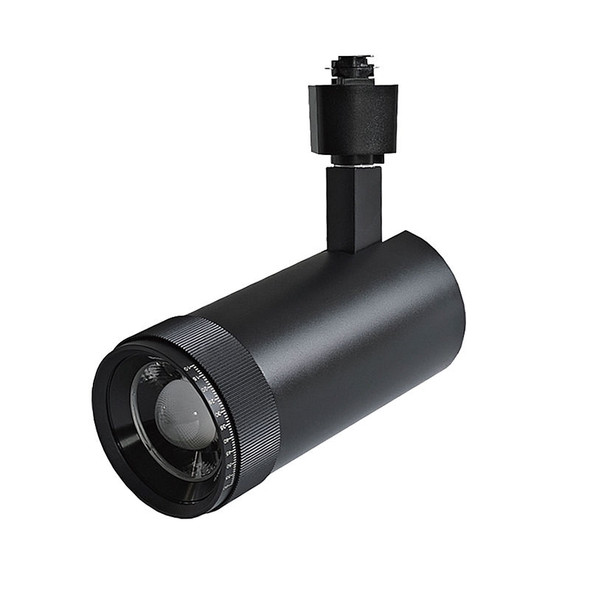

WM-TRD Series Die-Cast Zoomable Track Head, 20W, 1700lm, 2700K|3000K|3500K|4000K|5000K, Wattage & CCT & Beam Angle Selectable
WM-TRD-20W-MCTB$88.65MSRP: $98.78The WM-TRD Series Die-Cast Zoomable Track Head is a versatile lighting solution designed for modern track lighting systems. This innovative fixture stands out in the manufacturer's lineup with its... -


Builder Series Track Head with Ext. Driver, Power and CCT Adjustable, 25W/30W/35W, 30K/35K/40K, White
WM-TRE-25-35W-MCTP-36D-WH$105.55MSRP: $117.78About This Product Bring precision and versatility to your lighting setup with the Builder Series Track Head. Boasting an external driver and adjustable power levels (25W, 30W, and 35W), this... -


10 Watt Round LED Track Light
WM-TR1-R-10W$34.15 - $57.00MSRP: $38.55 - $64.35Versatile 10W LED Track Light for Halo® Systems Experience top-tier lighting with the WM-TR1-R-10W LED Track Light. Designed to work seamlessly with Halo® tracks and accessories, this designer... -


LED Track Lights, 120V
WM-TR1-S-10W$34.15MSRP: $38.55Illuminate your spaces effortlessly with our high-quality Designer Track Light, seamlessly fitting with Halo® tracks and accessories. Ideal for commercial, retail, or home lighting, this track light... -


Die Cast Track Head 12W, 1080 lumens, 27K/30K/35K/40K/50K selectable CCT, White
WM-TRD-12W-MCT5-36D-WH$52.70MSRP: $58.78High Performance 12W Track Light Enhance your lighting setup with the 12W Track Light by Westgate Manufacturing. Featuring selectable color temperatures from a cozy 2700K to a crisp 5000K and... -


Die Cast Track Head 20W, 1800 lumens, 27K/30K/35K/40K/50K selectable CCT, Black
WM-TRD-20W-MCT5-36D-BK$71.30MSRP: $79.78Versatile 20W Die Cast Track Lighting Head Illuminate your space with our 20W Die Cast Track Head featuring adjustable color temperature settings from 2700K to 5000K. With 1800 lumens of output and... -


3.5In Modern Par-Lamp Track Head, 120V, 3-Wire, WM-TRE26 Series
WM-TRE26$17.00MSRP: $18.783.5-inch modern PAR-lamp track head 120V, compatible with 3-wire systems. Key Features and Benefits Modern design with 3.5-inch diameter Compatible with 120V and 3-wire... -


Die Cast Track Head 8W, 720 lumens, 27K/30K/35K/40K/50K selectable CCT, Black
WM-TRD-8W-MCT5-36D-BK$44.15MSRP: $49.78Customizable 8W Track Head with Multiple Color Temperatures Enhance your lighting setup with our 8W track head designed for ultimate flexibility. Offering five selectable color temperatures, this... -


Standard Track Head Sel. 20/25/30W 5CCT C90 20-50D Beam Adj.
WM-TRS-20-30W-MCTPB-36D$111.30MSRP: $123.78This versatile track lighting solution offers selectable wattage and CCT (Correlated Color Temperature) options, providing flexibility to meet various lighting needs. Available in both H-Type and...