
Products List
- Product
- Qty in Cart
- Quantity
- Price
- Subtotal
-


2-Head LED 1W Emergency Light, Dual 120-277V, Ni-Cad Battery, White Housing
WM-EL$27.00 - $68.45MSRP: $30.78 - $76.78WM-EL Emergency Light: Your Trustworthy Safety Solution The WM-EL Emergency Light provides robust performance and safety compliance, making it a smart choice for any environment that requires... -


6 Watt LED 2-Head Emergency Light
WM-EL-WP$111.30MSRP: $123.78Experience top-tier safety with our innovative LED 2-Head Emergency Light, engineered to ensure critical illumination when you need it most. Each head boasts 6 watts, aggregating to a robust 454... -


LED 2-Head Mini Emergency Light, 1W, 6000K, 120~277V
WM-EL-M2$25.74MSRP: $28.78LED Emergency Light with Dual Heads Ensure safety with our advanced LED Emergency Light featuring dual adjustable heads. With a selectable 6000K color temperature and 1W lumen outputs, it's... -


2-Head Designer 2.4W Emergency Light
WM-EL-1D$31.30MSRP: $34.78Our 2-Head Designer Emergency Light ensures dependable illumination during power outages, with each head producing 2.4 watts and 240 lumens of bright light. It offers adjustable color temperatures... -


1.1 Watt LED 2-Head Emergency Light
WM-EL-EHO$81.30MSRP: $90.78EL-EHO Emergency Light by Westgate Manufacturing The Westgate Manufacturing EL-EHO emergency light is a critical safety component for contemporary commercial and high-density residential buildings,... -


2-Head LED 4.5W Emergency Light
WM-EL-2A$31.30MSRP: $34.78The 2-Head LED Emergency Light is an essential safety feature for any commercial or high-occupancy residential building. Each head outputs 4.5 watts, collectively offering 240 lumens of bright,... -


LED 2-HEAD Mini Emergency Light 90-MIN 1W Per Head 3.6V 1Ah NI-CAD Batt. UL
WM-EL-M1$25.74MSRP: $28.78High-Efficiency 1.1 Watt Wall Emergency LED Light Featuring dual heads and a powerful 5000K color temperature, the High-Efficiency 1.1 Watt Wall Emergency LED Light provides superior visibility in... -


SPEC Series Large LED Emergency Light, Black Wall & Ceiling, 1.2W, NiCd Battery
WM-EL-1L-BK$34.15MSRP: $37.78SPEC Series LED Emergency Light - Reliable Safety Lighting The SPEC Series LED Emergency Light offers dependable and efficient lighting solutions during emergencies. Its stylish black finish... -


2-Head High-Output Emergency Light, 3W Per Head, 4200K
WM-EL-HO$57.00MSRP: $63.78LED 2-Head High-Output Emergency Light by Westgate Manufacturing EL Series The Westgate Manufacturing EL Series LED 2-Head High-Output Emergency Light is vital for ensuring safety in commercial and... -
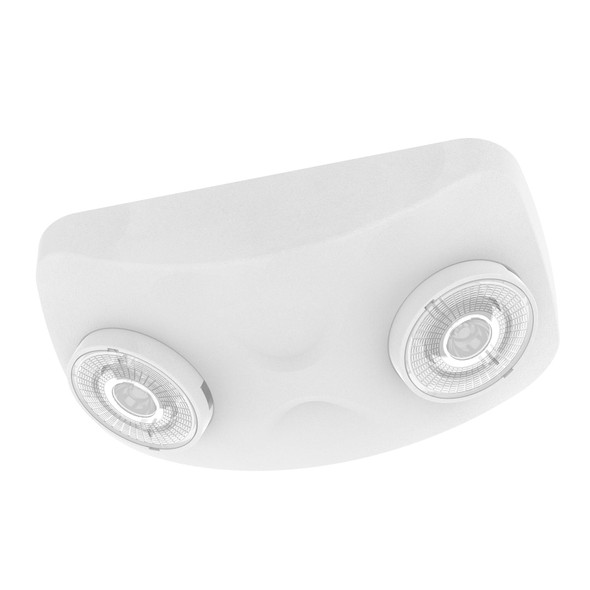

EL Series Modern Mini Emergency Light, M5, 1W per head, 150 lumens, 5700K, 120-277V, White
WM-EL-M5$48.55MSRP: $53.78The Westgate EL Series EL-M5 Modern Mini Emergency Light is a compact, code-oriented emergency unit designed for dependable egress illumination. As part of Westgate’s emergency lineup, it combines a... -

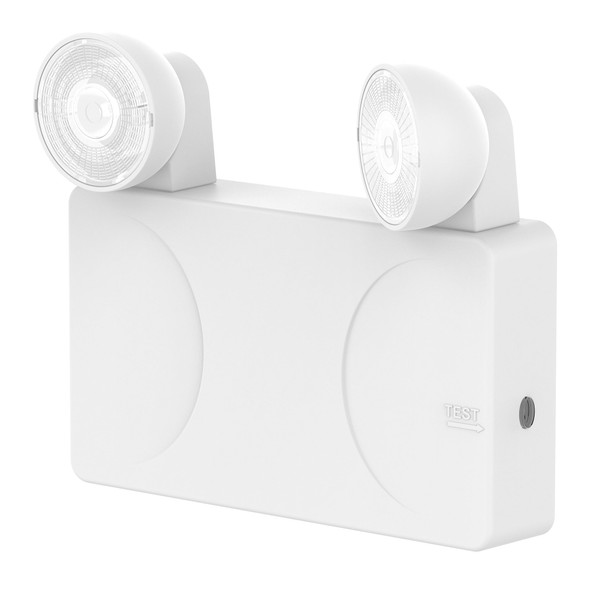
Modern Mini 7X7in BUG-EYE Emergency Light 2X1W 150LM 120-277V
WM-EL-MT$48.55MSRP: $53.78The Westgate EL Series EL-MT is a modern mini bug-eye emergency light designed for dependable egress illumination during power outages. As part of Westgate’s emergency lighting lineup, it combines... -

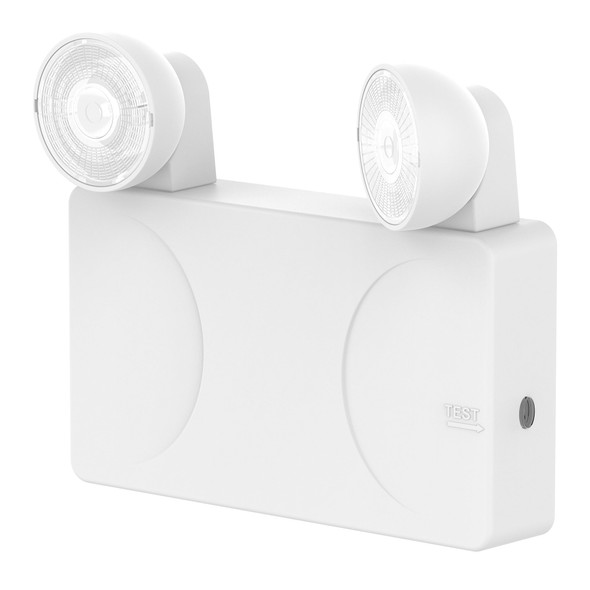
Modern Mini 7X7in BUG-EYE Emergency Light Ho 2X1.5W 200LM 120-277V
WM-EL-MT-HO$58.55MSRP: $64.78The Westgate EL Series EL-MT-HO is a modern mini bug-eye emergency light designed for dependable egress illumination during power outages. As part of Westgate’s emergency lighting lineup, it...