
Products List
- Product
- Qty in Cart
- Quantity
- Price
- Subtotal
-

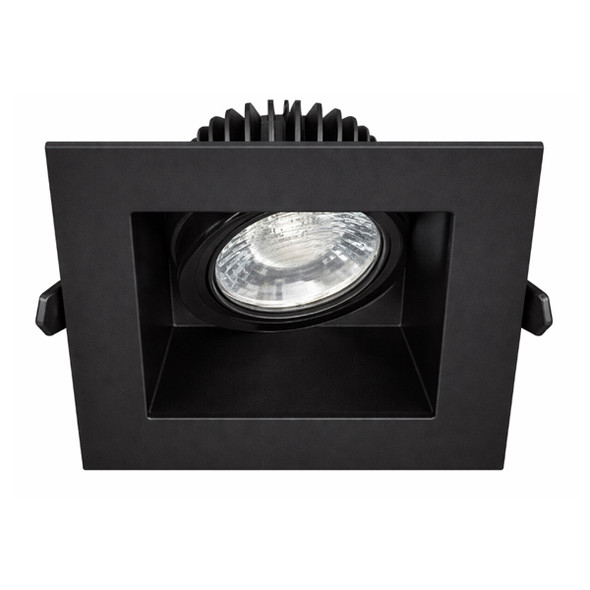
3" Square Regressed Canless Gimbal Downlight, Adjustable, 9W, 800lm, 2700K|3000K|3500K|4000K|5000K
WM-SDLD3S-ADJ-MCT5$28.75MSRP: $31.78The WM-SDLD3S-ADJ-MCT5 Series is a versatile 3" square regressed canless gimbal downlight, designed for modern lighting needs. This fixture stands out in the lineup for its adjustable gimbal,... -
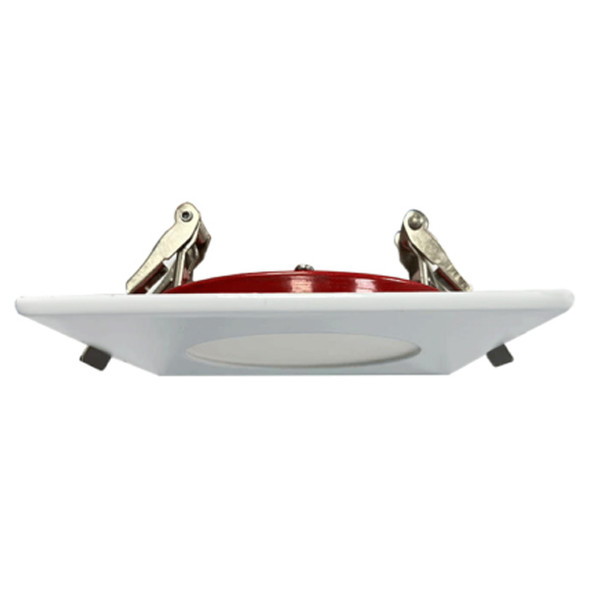
Westgate SSL4-G2, 4" Square Fire-Rated Edge-Lit Slim Recessed Light, 9W, 900lm, 2700K|3000K|3500K|4000K|5000K
WM-SSL4-G2-MCT5-FR$25.75MSRP: $28.78The Westgate SSL4-G2 4" Square Fire-Rated Edge-Lit Slim Recessed Light is a standout in Westgate's SSL series, offering a sleek, low-profile design with advanced fire-rated protection. Perfect for... -

Westgate SSL6-G2, 6" Square Fire-Rated Edge-Lit Slim Recessed Light, 12W, 1200lm, 5CCT Selectable
WM-SSL6-G2-MCT5-FR$29.95MSRP: $33.78The Westgate SSL6-G2 6" Square Fire-Rated Edge-Lit Slim Recessed Light is a versatile and modern lighting solution, designed for both safety and style. As part of Westgate's innovative SSL series,... -

Westgate SSL6 Ultra Slim Recessed Light, 6 Inch, 15W, 120V, 1125-1200lm, 3000K|4000K|5000K
WM-SSL6-MCT$22.75The Westgate SSL6 Ultra Slim Recessed Light is a versatile 6-inch fixture designed for modern spaces that demand both style and performance. As part of Westgate's innovative SSL series, this light... -

LED Ultra Slim Square Recessed Light, 18W, 1350 Lumens, 5CCT, 8
WM-SSL8-MCT5$28.74MSRP: $31.78The LED Ultra Slim Square Recessed Light is part of the SSL Series, offering a sleek and modern lighting solution for both new and retrofit applications in residential and commercial settings. ... -

1" High-Output Low-Glare Canless Recessed Light, Round & Square, Selectable CCT, Black
WM-RDL1S-ST-MCT5-BK$28.74MSRP: $31.781" High-output low-glare canless recessed light with selectable color temperatures and adjustable lumen outputs, designed for versatile lighting needs. Key Features and Benefits ... -

2" LED Snap-In Recessed Lights, Black, Selectable Color Temperature, 9W
WM-SDL2S-SB-MCT5-BK$25.74MSRP: $28.78Discover Adaptable Lighting with 2" LED Snap-In Recessed Lights Upgrade your lighting with our 2" LED Snap-In Recessed Lights, designed for efficiency and versatility with selectable color... -

2" Square Composite Recessed Trim, Smooth, 7W, 600lm, 27K/30K/35K/40K/50K
WM-SDPS2-MCT5$19.85MSRP: $22.78High-Efficiency 2" Square Composite Recessed Trim - 7W, Selectable CCT Upgrade your lighting with this 2" Square Composite Recessed Trim. With an efficient 7W power draw and an output of 600... -


WM LED Downlight, Smooth and Baffle Trim, Multi-Color Temperature, Black
WM-SDL1S-ST-MCT5$29.85MSRP: $33.78Advanced 8W LED Downlight – Selectable Color Temperature and High Performance Upgrade your lighting with our innovative 8W LED downlight featuring selectable color temperatures ranging from 2700K... -


4” LED Architectural Trimless Square Recessed Light, 10W, Multi CCT, Matte Gold/White/Black/Clear/Matte Silver
WM-LRD-TL-10W-MCT5-4S$47.00MSRP: $52.78Versatile 4” LED Trimless Square Recessed Light Optimize your lighting solutions with our 4” LED Trimless Square Recessed Light. Designed with selectable color temperatures and flexible lumen... -

LED Recessed Light with 1 Slot White Trim, White Finish
WM-LRD-WTM1-WH$27.00MSRP: $30.78Modern LED Recessed Light with White Trim and 1 Slot Upgrade your lighting with the Modern LED Recessed Light featuring a sleek white trim and 1 slot. This fixture is designed to elevate any... -


4-Inch 9 Watt Ultra Slim Recessed LED Light
WM-SSL4-50K$8.55MSRP: $9.65Westgate Lighting SSL4-50K LED Ultra Slim Recessed Light – A Modern Lighting SolutionEnhance your space with Westgate Lighting’s SSL4-50K LED Ultra Slim Recessed Light. This fixture, part of the...