
Products List
- Product
- Qty in Cart
- Quantity
- Price
- Subtotal
-
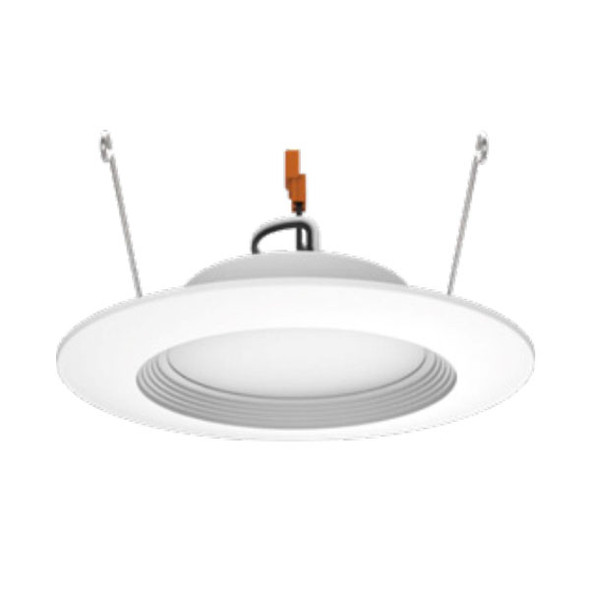
6" Smooth Builder Series ECO Shallow PC DOB Recess Trim, 5CCT Selectable
WM-RDDS6-MCT5$7.70MSRP: $8.56Top-Quality 10W 6" Smooth Builder Series ECO Shallow PC DOB Recess Trim Upgrade your lighting with this 10W 6" Smooth Builder Series ECO Shallow PC DOB Recess Trim. Featuring selectable 5CCT color... -


4in Deep Recess Trim 10W 750LM 5CCT 27/30/40/50/60K Baffle
WM-RDMF4-MCT5-BK$14.15MSRP: $15.72Upgrade Your Lighting with the 10W Deep Baffle LED Retrofit Trim Revitalize your interior with the 10W Deep Baffle Retrofit Metal LED Recessed Trim. Available in a sophisticated black finish, it... -


Builder Series Eco Shallow PC DOB Recess Trim, 4-inch, 6.5W, 5CCT Selectable
WM-RDDS4-MCT5$7.00MSRP: $7.78Efficient 4-Inch 6.5W Builder Series Eco Shallow Recess Trim Upgrade your lighting with the innovative 4-inch Builder Series Eco Shallow PC DOB Recess Trim. Engineered for versatility, this 6.5W... -


4in Deep Recess Trim 10W 750LM 5CCT 27/30/40/50/60K Baffle
WM-RDMF4-MCT5-ORB$12.70MSRP: $14.13Introduction Upgrade your lighting with the versatile 10W Signature Deep Baffle Retrofit Metal LED Recessed Trim, finished in elegant Oil-Rubbed Bronze. This efficient LED trim offers selectable... -


6in G2 Slim Wafer Light 12W 1000LM 5CCT JA8
WM-RSL6-G2-MCT5$18.74MSRP: $20.78Product Overview Enhance your living or work space with our 6" round LED downlight, offering multiple color temperature options (2700K to 5000K) and an adjustable 1000 lumen output. This versatile... -


6in G2 Slim Wafer Light 12W 1000LM 5CCT JA8, Black
WM-RSL6-G2-MCT5-BK$18.74MSRP: $20.78Efficient 12W LED Downlight with Adjustable Color Temperature Transform your lighting with our 12W LED downlight that offers selectable color temperatures from 2700K to 5000K. Delivering 1000... -


6in G2 Slim Wafer Light 12W 1000LM 5CCT JA8, OIL-RUBBED Bronze
WM-RSL6-G2-MCT5-ORB$18.74MSRP: $20.7812W LED Downlight with Adjustable Color Temperature Discover the perfect lighting solution with our 12W LED downlight, offering a flexible color temperature range from 2700K to 5000K, and... -


Ultra LED Slim Recessed Light, 3000K, Brushed Nickel Finish
WM-RSL6-30K-BN$15.55MSRP: $17.58Westgate LED Ultra Slim Recessed Light - 3000K, Brushed Nickel The Westgate LED Ultra Slim Recessed Light series presents an elegant and efficient lighting option suited for both fresh... -


LED Adjustable Pull-Down Ultra Slim Recessed Light, 5000K
WM-RSL4-APD-50K$15.55MSRP: $17.584-Inch LED Adjustable Pull-Down Ultra Slim Recessed Light Illuminate your home or office with our 4-inch LED adjustable pull-down ultra slim recessed light. Featuring Seoul DOB (Driver On Board)... -


4in G2 Slim Wafer Light 10W 700LM 5CCT JA8, Black
WM-RSL4-G2-MCT5-BK$12.70MSRP: $14.13Enhance Your Lighting with a 4" Round Slim Wafer LightTransform your residential or commercial spaces with the 4" Round Slim Wafer Light from Westgate Manufacturing's RSL Series. This innovative... -


4in G2 Slim Wafer Light 10W 700LM 5CCT JA8, OIL-RUBBED Bronze
WM-RSL4-G2-MCT5-ORB$12.70MSRP: $14.13Versatile 4" LED Downlight with Selectable Color Temperatures Introducing our 10W 4" round LED downlight, perfect for modern residential and commercial setups. With selectable color temperatures... -


LED Ultra Slim Recessed Light, 3000K, Brushed Nickel Finish
WM-RSL4-30K-BN$11.40MSRP: $12.87Brushed Nickel Ultra Slim 4-Inch Recessed Light - 3000K Transform your lighting with the Ultra Slim 4-inch Recessed Light, featuring a sleek brushed nickel finish. Ideal for upgrading both...