
Products List
- Product
- Qty in Cart
- Quantity
- Price
- Subtotal
-


2x2 Architectural Recessed Panel Light, Wattage and CCT Selectable, 24W/35W/40W, 110lm/w, 30K/35K/40K/50K
WM-LTRR-2X2-MCTP4$109.85MSRP: $122.78Advanced Architectural Recessed Panel LightDiscover the superior performance of the Architectural Recessed Panel Light, engineered for efficiency and adaptability. With selectable wattage choices of... -


Premium Flat Panel, 1x4, Multi Color Temperature & Multi Power, Sensor Ready
WM-LPNP-1X4-MCTP-SR$54.15MSRP: $60.781x4 Premium Flat Panel Light - Multi-Setting Options Optimize your lighting with the 1x4 Premium Flat Panel light, perfect for diverse environments like hotels, offices, retail spaces, and more... -

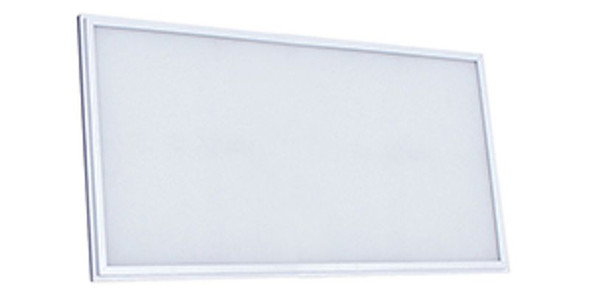
LED Panel 2X4, 72W, 6420 Lumen, 4000K, Dimmable
WM-LP-2X4-72W-40K-D$64.15MSRP: $72.42Versatile LED Panel Light for Professional Settings Upgrade your lighting with this 2x4 feet LED panel light, featuring a selectable color temperature of 4000K and an impressive lumen output of up... -


Premium High-Lumen Retrofit Flat Panel, 2x2, Multi Color Temperature & Multi Power/Wattage (Selectable)
WM-LRP-HL-2X2-MCTP$72.70MSRP: $80.78Upgrade Your Lighting with Westgate’s Retrofit LED Flat Panel Enhance your lighting setup with Westgate’s Premium High-Lumen Retrofit Flat Panel. Designed to replace traditional fluorescent... -


LED Backlit Panel Light, 100~277VAC
WM-LPNG-2X2-MCTP$49.85MSRP: $62.74Versatile Commercial LED Backlit Panel Light The WM-LPNG-2X2-MCTP LED backlit panel light delivers exceptional performance for a range of commercial environments, including hotels, offices, retail... -


2'X4' 50 Watt Premium High-Output LED Panel Light
WM-LP-2X4-50W-50K-D-HL$57.00MSRP: $64.35High-Output LLHB4 Linear High Bay Lighting Discover unparalleled lighting excellence with the 4th generation LLHB4 Linear High Bay Lights. Offering versatile wattages from 80W to 500W and... -


2'X4' 50 Watt LED Panel Light Premium High-Output
WM-LP-2X4-50W-40K-D-HL$57.00MSRP: $64.35Westgate LP Series 2x4 50W LED Panel Light - 4000K Discover exceptional lighting performance with the Westgate LP Series 2x4 LED Panel Light. This 50W panel light is designed to provide outstanding... -


2X4 LED Panel Light, 30W-50W Power and CCT Adjustable
WM-LP-2X4-MW-DS$57.00 - $67.00MSRP: $64.35 - $75.65Versatile 2X4 LED Panel Light with Adjustable WattageEnhance your lighting setup with the Versatile 2X4 LED Panel Light featuring adjustable wattage options to suit different lighting needs. This... -


1x4 Backlit LED Panel Light, 20W/30W/40W Selectable, 3000K/3500K/4000K/5000K Selectable
WM-LPNG-1X4-MCTP4$62.70MSRP: $69.78Westgate 1x4 LED Backlit Panel - Model LPNG-1X4-MCTP4Discover the LPNG-1X4-MCTP4, a premier backlit panel from Westgate Manufacturing's elite LPNG series. This 1x4 LED panel perfectly marries... -


2x4 40 Watt LED Backlit Panel Light
WM-LPNG-2X4-4KLM-50K-D$62.70MSRP: $70.81High-Performance LED Backlit Panel Light: LPNG-2X4-4KLM-50K-D The LPNG-2X4-4KLM-50K-D LED Backlit Panel Light signifies a significant advancement in lighting technology, offering unmatched... -

Westgate LPCR Series 1x4 Premium IP65 Cleanroom Troffer, 40W|48W|60W, 125LM/W, 3000K|4000K|5000K, Power & CCT Adjustable
WM-LPCR-1X4-HL-MCTP$416.50MSRP: $461.78The Westgate LPCR Series 1x4 Premium IP65 Cleanroom Troffer is a versatile and high-performance lighting solution designed for demanding environments. This troffer stands out in Westgate's lineup... -
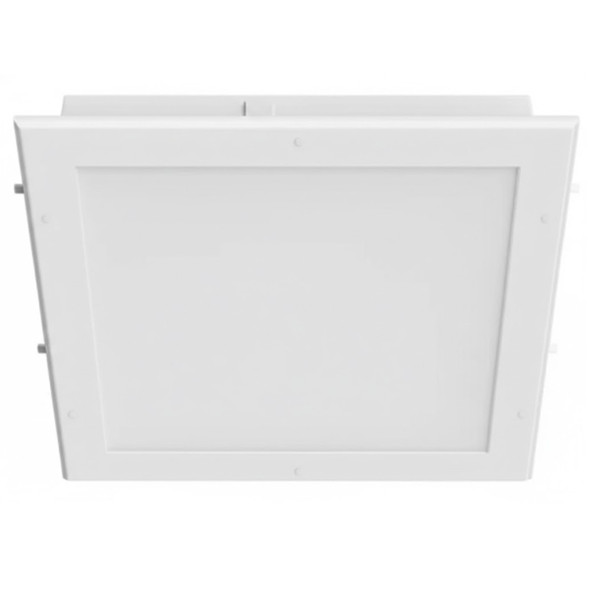
Westgate LPCR Series 2x2 Premium IP65 Cleanroom Troffer, 40W|48W|60W, 125LM/W, 3000K|4000K|5000K, Power and CCT Adjustable
WM-LPCR-2X2-HL-MCTP$382.15MSRP: $423.78The Westgate LPCR Series 2x2 Premium IP65 Cleanroom Troffer is a versatile and robust lighting solution designed for demanding environments. This troffer stands out in Westgate's lineup for its...