
Products List
- Product
- Qty in Cart
- Quantity
- Price
- Subtotal
-


CONE-SHAPE Pendant Cylinder 16in X 2", 5FT Cord, Select 3/6/9W, 30/40/50K, 0-10V Or Triac, Damp Loc
WM-LCFT-MCTP-BK$109.85MSRP: $122.78Versatile Pendant Light with Adjustable Brightness and Color Transform your living space with our elegant and multifunctional pendant light. Designed with selectable color temperatures (3000K,... -


12 Watt Integrated LED Pendant Light - CCT Adjustable
WM-LCFB-1L-MCT5$54.15MSRP: $60.78Advanced Integrated LED Pendant LampTransform your space with the sleek and contemporary Integrated LED pendant lamp. Constructed with brushed nickel and ultra-clear glass, this fixture brings an... -

Glass Pendant With Rod 51in 12W 720LM C90 5CCT 27/30/35/40/50K, Bn
WM-LCFE-MCT5-BN$79.85MSRP: $88.78Elegantly Designed 12W Brushed Nickel Pendant Light with 4” Glass Lens Transform your living and working spaces with the stylish and efficient 12W Brushed Nickel Pendant Light, featuring a 4”... -


8in Frosted Glass E26 Architectural Globe Pendant 67in - Black
WM-LCFG-8-E26-FR$68.60 - $78.60MSRP: $76.78 - $87.78The WM-LCFG-8-E26-FR Series is an 8-inch frosted glass architectural globe pendant designed to elevate modern interiors with both style and versatility. This fixture stands out in the lineup for... -
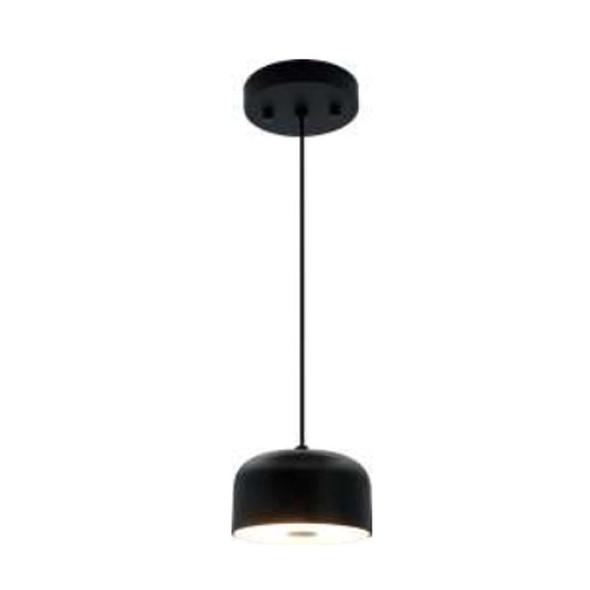

10 Watt Mini Pan Pendant, 5" with 4.5" Cord, 120V, 5CCT
WM-LCFPM-MCT5$49.85MSRP: $55.78Introducing the WM-LCFPM-MCT5 Series, a versatile and stylish mini pan pendant perfect for modern lighting solutions. This series offers adjustable color temperatures and lumen outputs, making it... -

Coconut Pendant, Commercial/Residential with 6ft Adjustable Cord, 6" Diameter, 6W/9W/12W, 960LM Max, 30K/40K/50K
WM-LCFK-MCTP$105.55MSRP: $117.78The Coconut Pendant from the WM-LCFK-MCTP Series offers a stylish and versatile lighting solution for both commercial and residential spaces. Its elegant design and adjustable features make it a... -


CONE-SHAPE Pendant Cylinder 16in X 2", 5FT Cord, Select 3/6/9W, 30/40/50K, 0-10V Or Triac, Damp Loc, Bn
WM-LCFT-MCTP-BN$144.15MSRP: $160.78Adjustable Tapered Pendant Light - LCFT Series, Brushed Nickel Transform your kitchen, office, or living space with the LCFT Series Residential Lighting Power & CCT Adjustable Tapered Pendant... -


Wine Bottle Pendant Cylinder, 8FT Adjustable Cord, White Finish
WM-LCFW-MCTP-WH$132.70MSRP: $147.78Elegant 83" Pendant Light with Adjustable Settings Elevate your interior design with this stunning 83" pendant light. With selectable color temperatures (3000K, 4000K, 5000K) and adjustable... -


CONE-SHAPE Pendant Cylinder 16in X 2", 5FT Cord, Select 3/6/9W, 30/40/50K, 0-10V Or Triac, Damp Loc
WM-LCFT-MCTP-WH$109.85MSRP: $122.78Discover the ultimate blend of style and function with our adjustable power pendant light. Perfect for enhancing the ambiance in kitchens, offices, or living rooms, this vintage-inspired light... -


Wine Bottle Pendant Cylinder, 8FT Adjustable Cord, Black Finish
WM-LCFW-MCTP-BK$132.70MSRP: $147.78Refined Pendant Light with Adjustable Settings Discover the perfect blend of style and functionality with our Selectable Color Temperature Pendant Light. This versatile light fixture offers... -


LCFS Series, 3CCT Cone Pendant with 4.5FT Adjustable Downrod, White/Gold Finish
WM-LCFS-MCT-WH$109.85MSRP: $122.78Add Elegance with Versatile Pendant Lighting Transform your space with our chic pendant light, featuring a white and gold finish. This versatile light fixture offers three different color... -

3CCT Cone Pendant with 5FT Adjustable Downrod, Black Finish
WM-LCFS-MCT-BK$109.85MSRP: $122.78Versatile Pendant Light with Adjustable Features Transform your kitchen, office, or living space with this sophisticated pendant light. Featuring a sleek design with multiple selectable color...