
Products List
- Product
- Qty in Cart
- Quantity
- Price
- Subtotal
-


Adjustable 12FT 1/16in Single Suspension Canopy Set, Keyhole Connector
WM-SCL-CS1P-12FT-NC$19.85MSRP: $22.7812FT adjustable steel aircraft cable with zinc-plated steel connectors and white powder-coated steel canopy. Max load 70 lbs, fits standard junction boxes. Key Features and Benefits ... -


60 Watt LED Suspended 2/3 Louver & Perf. Center Basket Up/Down Light
WM-SCPP-UD-4FT-60W$199.85MSRP: $222.78Illuminate Your Space with PrecisionThe 4-Foot LED Up/Down Center Basket Light Fixture is the ideal choice for those looking to combine functionality with modern design. Designed for up and down... -


4Ft. 40 Watt Suspended Up/Down Panel LED Lighting
WM-SPL-4FT-40W$142.70 - $158.45MSRP: $161.13 - $178.87Product Overview The 4-Foot 40W LED Suspended Up/Down Panel Light is designed for both efficiency and durability, providing exceptional performance in a variety of settings. This versatile lighting... -


4Ft. Linear 60 Watt LED Suspended Light (Up/Down)
WM-SCPL-UD-4FT-60W$219.85 - $222.70MSRP: $247.78 - $248.23High-Performance 4ft LED Linear Suspended LightDesigned for versatility, this 4ft LED Linear Suspended Light is the ideal choice for diverse settings such as hotels, offices, retail stores,... -

SCX Series Recess Mount T-Bar Brackets, 4Ft. Length
WM-OPT-SCX-TBAR-4FT$185.55Product Highlights The SCX Series 4Ft. Length Recess Mount T-Bar Brackets provide a dependable solution for securely mounting fixtures in T-Bar ceilings. These brackets ensure precise alignment... -
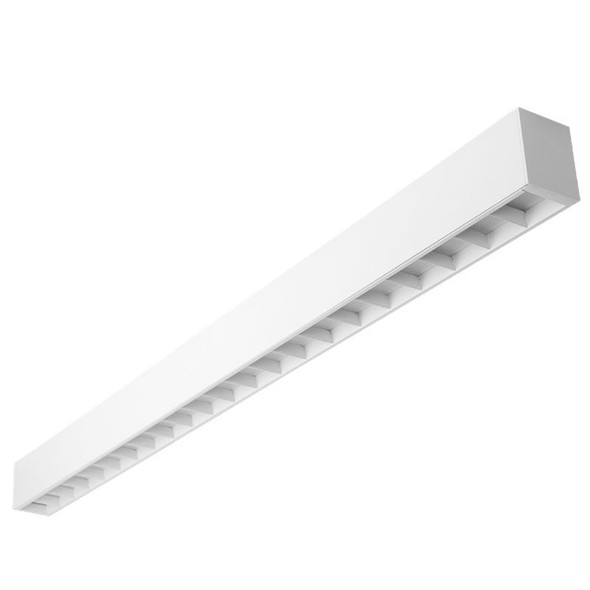

SCX Series 4FT Linear Light, 40W, Multi-CCT (Selectable Switch Inside Fixture), 0-10V Dimming, Polished Aluminum Louver Lens, Various Mounting Options
WM-SCX-4FT-40W-MCT4-D-LUV$285.55MSRP: $317.78Versatile 4FT Linear Light with Adjustable Settings and High Efficiency Enhance your lighting setup with our 4FT linear light offering selectable color temperatures ranging from 3000K to 5000K and... -


Westgate SCXT 8 ft 2 in. 15/16 Grid Linear Light, 40W/60W/80W, 3000K/3500K/4000K, Drop Lens
WM-SCXT-8FT-40-80W-MCTP-D-DL$194.15MSRP: $215.78Discover the excellence of the 1-Inch Wide Linear Series light fixture, engineered for versatility and performance. This adaptable lighting solution offers selectable power settings of 40W, 60W, and... -


8Ft. Long By 2-3/4" Wide Linear Fixture with Louver - CCT Adjustable
WM-SCX-8FT-80W-MCT4-D-LUV$499.85MSRP: $555.78Modern 8ft Linear LED Fixture - Adjustable, Durable, and StylishIntroducing the 8ft long by 2-3/4" wide linear LED fixture with louver, boasting an impressive 8,750-9,420 lumens output. This fixture... -


SLOT RECESSED COMMERCIAL LINEAR LIGHTS, 4FT, Multi CCT & Multi Power
WM-SRL4-4FT-MCTP$71.30MSRP: $79.78This indoor commercial LED blacklit panel light is ideal for hotels, offices, retail outlets, restaurants, parking garages, storage rooms, conference rooms, education facilities, and more. ... -


Westgate SCX 8 ft 2.75 in. Linear Light, 80W, 4-CCT, Dimmable, Black
WM-SCX-8FT-80W-MCT4-D-BK$342.70MSRP: $380.788Ft. SCX Series Seamless Linear LED Light Experience top-tier commercial lighting with the SCX Series' 8Ft. Superior Architectural LED Light. Perfect for indoor applications, this fixture promises a... -


Black Adjustable 12ft. 1/16in Single Suspension Canopy Set with Keyhole End Connector
WM-SCL-CS1P-12FT-NC-BK$19.85MSRP: $22.78Optimized Lighting Suspension with Westgate Manufacturing SCL Series Suspension Canopy Set The Westgate SCL Series Suspension Canopy Set provides a flexible and robust solution for lighting... -


Westgate SCX 2 ft Y Fixture, 60W, 4-CCT, Dimmable
WM-SCX-Y2FT-60W-MCT4-D$494.15MSRP: $549.78Voltage: 120~277VAC 50/60Hz Ambient Temperature: -13°F~104°F Dimmable: 0~10V dimmable CRI:>80 Power Factor:>0.95 Efficacy: 110LM/W IP Rating: IP54 Life Span: 50,000 hours Housing: White,...