
Planning an Industrial Lighting Retrofit: A Step-by-Step Guide for Facility Managers and Contractors
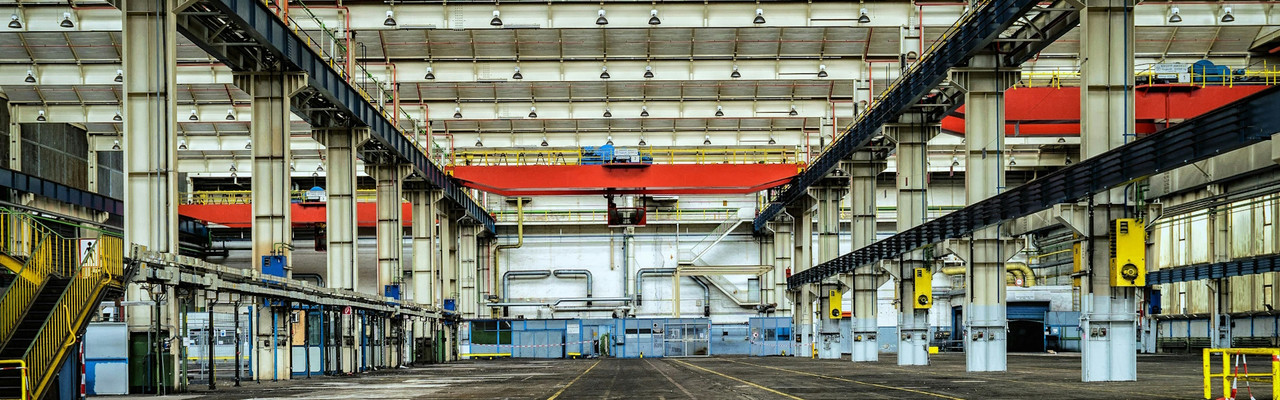
Upgrading lighting in a manufacturing or industrial facility is one of the most impactful ways to improve safety, visibility, and long-term operating efficiency. The right lighting retrofit can dramatically reduce energy use, minimize maintenance costs, and make every workstation more productive.
We recently published our new Manufacturing & Industrial Facility Lighting Guide , which explains how different areas of a facility such as production floors, utility rooms, and washdown areas require different fixture types and lighting strategies.
This article builds on that guide and walks you through the process of planning a lighting retrofit, from the initial assessment to long-term maintenance. Whether you are a facility manager evaluating options or a contractor preparing to bid a project, these steps will help you design an upgrade that performs better, lasts longer, and qualifies for available rebates.
1. Define Your Project Goals
Before choosing fixtures, define what you want your retrofit to achieve. The more specific the goals, the easier it is to compare options later.
Common goals include:
- Improving visibility and worker safety
- Reducing downtime caused by fixture failures
- Lowering energy consumption and maintenance costs
- Qualifying for local utility rebates or sustainability initiatives
- Standardizing fixture types across the plant
Project constraints to identify:
- Budget or payback expectations
- Production schedules and installation windows
- Access limitations due to equipment or high ceilings
- Environmental or code requirements such as hazardous or NSF listings
When everyone agrees on the purpose of the lighting retrofit, whether energy savings, safety, quality, or maintenance reduction, it becomes much easier to design an effective plan.
2. Conduct a Site Assessment
A good site audit sets the foundation for your lighting retrofit. Walk each area with maintenance or safety staff and document existing conditions.
What to record:
- Fixture types, quantities, mounting heights, and wattages
- Average operating hours and switching zones
- Light levels at key workstations
- Common issues such as glare, shadows, or insufficient light
- Environmental conditions including dust, moisture, heat, or vibration
- Access challenges for lifts or equipment
Use photos and short videos to capture details that might affect installation. This helps prevent oversights during the design phase and ensures your contractor can prepare the right equipment and access plans.
3. Match Fixtures to Environmental Conditions
Every industrial space has unique environmental demands. Matching the fixture to the condition ensures reliability and code compliance.
| Environment | Fixture Type | Key Considerations |
|---|---|---|
| Production & Assembly | Linear LED High Bays or Round LED High Bays | Bright, uniform light. Sealed housings reduce dust buildup. |
| Utility or Mechanical Rooms | Vapor-Tight Fixtures | IP65 or higher for moisture and dirt protection. |
| Washdown or Food Processing | Clean Room Lighting | NSF rated, smooth housings, shatterproof lenses. |
| Hazardous or Chemical Areas | Explosion-Proof Lighting | Verify Class, Division, Group, and T-code. |
| Exterior & Security | Wall Packs or Flood Lights | Weatherproof housings and corrosion resistant finishes. |
When evaluating replacement options, always verify ambient temperature ratings, IP protection, and DLC listing to ensure safety and rebate eligibility.
4. Establish Lighting Performance Targets
A retrofit should not just replace what is there. It should improve performance. Determine your lighting goals before selecting specific fixtures.
Key performance factors:
- Light levels: Aim for 30 to 70 foot-candles in most manufacturing areas. Use up to 150 foot-candles for inspection or detailed assembly work.
- Color temperature: Select 4000 to 5000 K for balanced white light.
- CRI: Choose 80 or higher for general use. Select 90 or higher for quality inspection areas.
- Uniformity: Avoid bright spots or dark corners by spacing fixtures evenly.
- Glare control: Use diffusers or frosted lenses to reduce harsh reflections on metal surfaces.
RelightDepot’s team can help with photometric layouts to confirm that your retrofit meets target light levels and uniformity before ordering fixtures.
5. Design an Effective Control Strategy
Lighting controls extend the value of your retrofit by managing when and how lights operate.
Recommended control layers:
- Occupancy sensors for maintenance rooms and less used areas
- Daylight sensors near windows and skylights
- Time-based scheduling to match production shifts
- Task tuning to reduce output where full brightness is not needed
- Networked control systems for centralized programming and reporting
Even simple standalone sensors can deliver major energy savings without complicated wiring.
6. Build the Project Plan and ROI Model
Once you have selected fixture types and controls, outline the financial and logistical plan for your lighting retrofit.
Calculate expected savings:
- Compare the wattage of current fixtures to proposed LEDs.
- Multiply by annual operating hours and your energy rate.
- Add avoided maintenance labor and parts for a full ROI picture.
Develop a phasing plan:
- Retrofit one area or line at a time to minimize disruption.
- Coordinate installation with downtime or maintenance windows.
- Stage materials and confirm lift access before work begins.
Document key deliverables:
- Fixture schedule with model numbers, wattage, and mounting method
- Control zoning and sensor locations
- Light level targets and photometric reports
- Rebate application forms or pre-approval documentation
7. Plan Your Bill of Materials
A clear and accurate Bill of Materials is one of the most useful planning tools for any lighting retrofit. It ensures you have everything needed before work begins and helps prevent costly delays.
Benefits of a well-structured Bill of Materials:
- Confirms all fixture quantities, accessories, and mounting hardware
- Prevents mix-ups with voltage or optics during ordering
- Simplifies shipment tracking and job staging
- Helps installers know exactly what goes where
- Reduces time on-site by eliminating mismatched parts
Include part numbers, fixture descriptions, mounting details, and control components for each area. RelightDepot can assist in reviewing your Bill of Materials to ensure accuracy and rebate compliance.
8. Implement and Verify
Once your plan is approved and materials are on hand, coordinate installation to minimize disruption and maintain safety standards.
Implementation tips:
- Stage materials by zone to avoid confusion during installation.
- Label each pallet or box by area and circuit.
- Keep lift routes clear and verify lockout and tagout procedures.
- Record fixture locations and serial numbers for warranty tracking.
After installation, measure light levels and compare them to your target values. Adjust controls or settings as needed to balance brightness and energy use.
9. Maintain Long-Term Performance
A lighting retrofit should deliver value for years. Establish a basic maintenance plan to keep the system performing at its best.
- Schedule periodic cleaning to remove dust from lenses and housings.
- Test sensors and emergency lighting quarterly.
- Keep spare drivers or lenses for critical areas.
- Record and track any failures to identify patterns early.
If your facility has a building automation or control system, review energy reports periodically to identify areas for additional savings.
Get Help Planning Your Lighting Retrofit
Planning a lighting retrofit does not have to be complicated. With the right process and support, you can upgrade your facility quickly, stay on budget, and achieve consistent lighting results across every area.
RelightDepot’s team can help you:
- Review existing conditions and recommend fixture types
- Create a detailed Bill of Materials for your retrofit
- Design an efficient control strategy
- Identify rebate-eligible products and prepare documentation
Explore our full Manufacturing & Industrial Facility Lighting Guide for detailed fixture recommendations by area, or contact us directly to start planning your lighting retrofit.
Email support@relightdepot.com or call 888-548-6387 to connect with a lighting specialist.
Latest Blog Updates

Product Spotlight: Westgate SCX1.5 Series Seamless Linkable Linear Lighting System
What the SCX1.5 Series Is and Why It Matters The SCX1.5 Series is the newest evolution of Westgate...
Commercial Restroom Lighting Issues Contractors Keep Correcting After Inspection
Commercial restroom lighting is a common source of inspection comments, owner-punch list items, and...

7 Retail Lighting Decisions That Impact Sales, Energy Use, and Maintenance
Retail lighting directly impacts how products sell, how much energy a store consumes, and how often...

Save 12% Automatically on Lighting Orders Over $2,000
Large lighting projects can quickly become expensive and complicated when orders are placed in piece...

Lighting Basics: A Rule of Thumb to Estimate Total Lumens for Your Space
Underlighting can make a space feel dim and unsafe, while overlighting wastes energy and increases g...
Difference Between High Bay and Low Bay Lighting
Choosing between high bay and low bay lighting is one of the most common decisions in commercial and...